



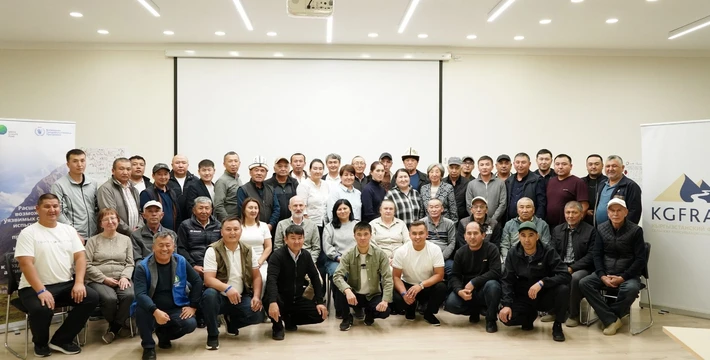
The aim of the training was to refresh participants’ knowledge of the PICSA methodology and strengthen their skills in effectively using climate data and forecasts for agricultural planning and decision-making.
During the training, participants:
- Reviewed the key principles of the PICSA methodology and its 12-step process;
- Explored resource mapping and seasonal calendars;
- Discussed the use of historical climate information, graphs, probabilities, and risk assessment;
- Examined how climate forecasts can be used to adjust plans and support informed decision-making;
- Took part in practical sessions on the integrated application of PICSA tools.
The training involved representatives from the University of Reading, Kyrgyz Hydrometeorological Service (Kyrgyzhydromet), the United Nations World Food Programme (WFP), and KGFRAS.
PICSA supports informed decision-making based on climate information and helps strengthen farmers’ resilience to climate-related risks.